The Biggest Breakthroughs in Concussion Rehabilitation Since 2020
SE
Concussion management has undergone a dramatic transformation in recent years. What was once a condition treated almost exclusively with prolonged rest and isolation has become the focus of active, individualized rehabilitation strategies backed by growing clinical evidence. Here are the most significant shifts in concussion rehabilitation since 2020.
1. The Death of "Cocooning": From Strict Rest to Early Activity
Perhaps the single biggest paradigm shift in concussion care is the move away from strict physical and cognitive rest, once colloquially known as "cocooning", toward early, symptom-guided activity resumption.
Multiple guidelines now converge on the same message: after a brief period of relative rest (24–48 hours), patients should begin light physical activity such as walking, even if they are still symptomatic. Prolonged rest is not only unhelpful, it is associated with worse outcomes, including more symptoms and longer recovery times.
The 6th International Conference on Concussion in Sport (Amsterdam, 2022) formally endorsed this active approach, recommending that patients attempt light-intensity physical activity within the first 24 to 48 hours, advancing as tolerated. A meta-analysis of seven studies found that early physical activity and prescribed exercise improved recovery by a mean of nearly 5 days compared to rest-based approaches.
2. "Exercise as Medicine": Prescribed Aerobic Exercise After Concussion
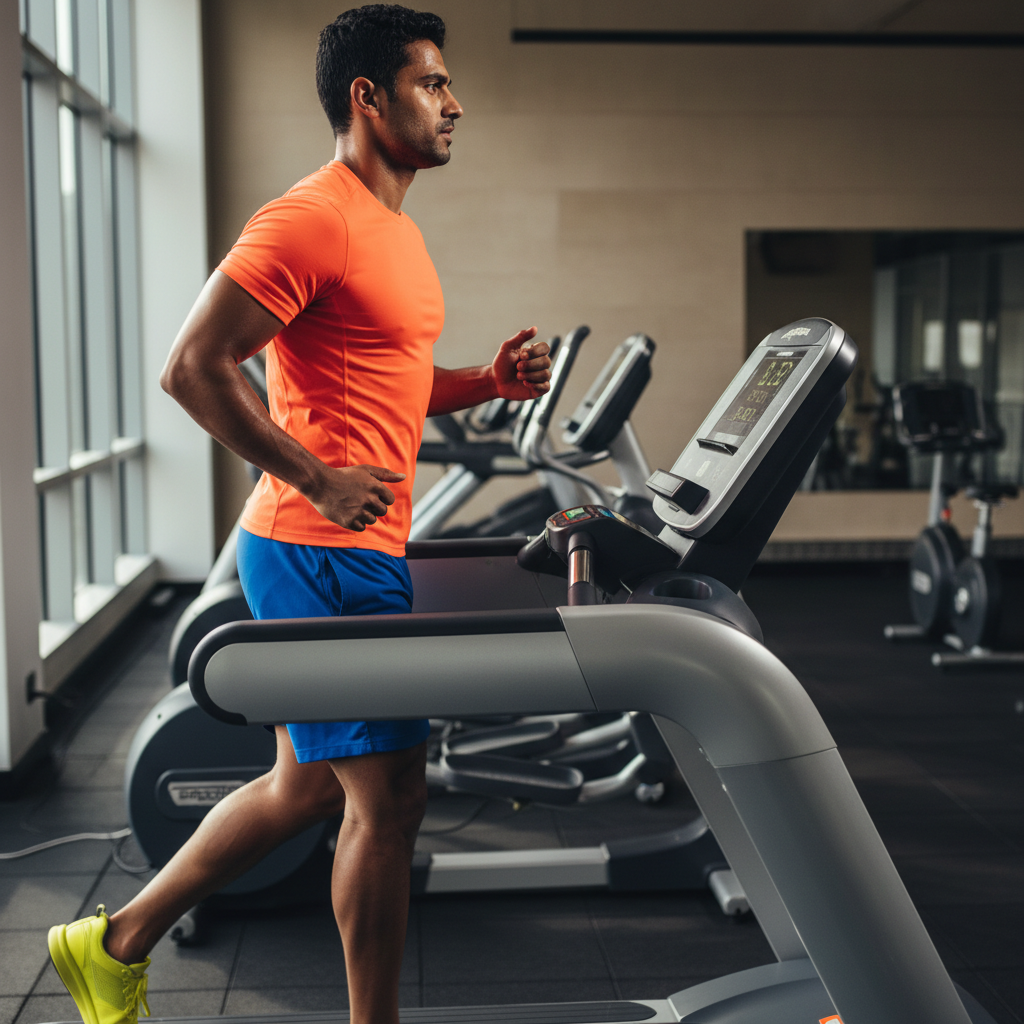
One of the most compelling developments is the use of prescribed, subsymptom-threshold aerobic exercise as a frontline treatment, modeled, remarkably, after cardiac rehabilitation.
The concept works like this: clinicians identify the heart rate at which a patient's concussion symptoms begin to worsen beyond a mild level (defined as more than a 2-point increase on a 0–10 scale). Exercise is then prescribed below that threshold, and the target is progressively increased as tolerance improves.
Randomized controlled trials in adolescents demonstrated that prescribed aerobic exercise started within 2 to 10 days of injury shortened recovery by approximately 4 days (median 13 vs. 17 days) and reduced the rate of persistent symptoms beyond 28 days (21% vs. 32%). A 2023 systematic review confirmed that subthreshold aerobic exercise significantly improved symptom scores, with a standardized mean difference of 0.43.
For clinicians without access to formal exercise testing, a practical alternative exists: prescribing exercise at 50% of age-predicted maximum heart rate (220 minus age), or using data-derived heart rate training ranges based on sex and time from injury. This has made the approach accessible well beyond sports medicine clinics.
3. Targeted, Multimodal Rehabilitation for Persistent Symptoms
For the 20-30% of patients whose symptoms persist beyond 2 to 4 weeks, the field has moved decisively toward individualized, presentation-specific multimodal rehabilitation, rather than a one-size-fits-all approach.
This means identifying specific symptom generators (vestibular dysfunction, cervicogenic issues, oculomotor deficits, mood disturbance, cognitive impairment) and targeting each with the appropriate intervention:
- Cervicovestibular rehabilitation for patients with dizziness, neck pain, and headaches persisting beyond 10 days. One study found patients receiving this intervention were nearly 4 times more likely to return to sport compared to those managed with rest and gradual exertion.
- Vestibular rehabilitation for patients with dizziness and vestibular impairments beyond 5 days.
- Vision/oculomotor therapy for persistent visual symptoms (consensus-based recommendation, with emerging supportive evidence).
- Cognitive behavioral therapy for mood and anxiety symptoms that commonly accompany or perpetuate post-concussion symptoms.
- Cognitive rehabilitation using compensatory strategies, environmental modifications, and assistive technology.
A meta-analysis found that individually tailored multimodal interventions had a moderate effect in improving symptom scores compared to controls, larger than any single intervention alone. A 2021 JAMA Network Open guideline provided weak but consistent recommendations for graded exercise, vestibular rehabilitation, manual cervical/back treatment, psychological treatment, and interdisciplinary coordinated rehabilitation.
4. New Assessment Tools: SCOAT6 and Child SCOAT6
The Amsterdam consensus introduced new freely available clinical tools, the Sport Concussion Office Assessment Tool–6 (SCOAT6) for adults and adolescents, and the Child SCOAT6 for children under 13. These multimodal assessment instruments go beyond symptom checklists to incorporate balance, cognitive, oculomotor, and vestibular evaluation, providing a structured framework for guiding treatment decisions and monitoring recovery over time.
While these tools still await full prospective validation, they represent a significant step toward standardized, comprehensive clinical assessment that can direct targeted rehabilitation.
5. Refined Return-to-Activity Protocols
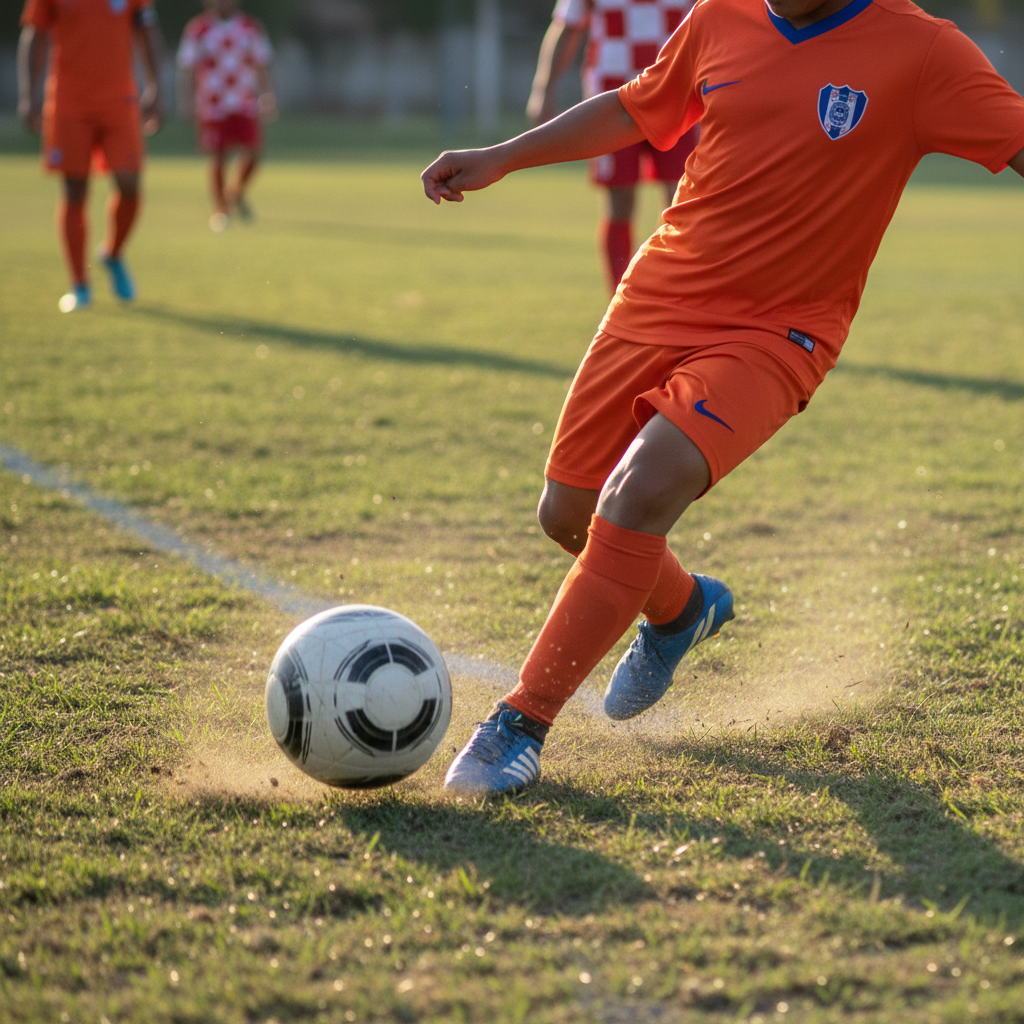
Return-to-play and return-to-learn protocols have become more nuanced and individualized. Key updates include:
- Symptom-guided progression, not symptom-free gates: patients can advance through return-to-activity stages even with mild, brief symptom exacerbations (no more than a 2-point increase lasting less than 1 hour).
- Return to school before return to sport: full return to learning should occur before unrestricted return to contact sport.
- Customized academic accommodations based on individual symptom severity, rather than blanket restrictions.
- Average return-to-sport timeline of approximately 20 days, with most athletes returning within one month.
6. Emerging Frontiers
Several areas of active investigation hold promise for the next wave of breakthroughs:
- Neuromodulation techniques such as transcranial magnetic stimulation (TMS) and transcranial direct current stimulation (tDCS) are being explored for persistent cognitive and mood symptoms.
- Light therapy is showing early promise for somatic complaints and sleep disturbance.
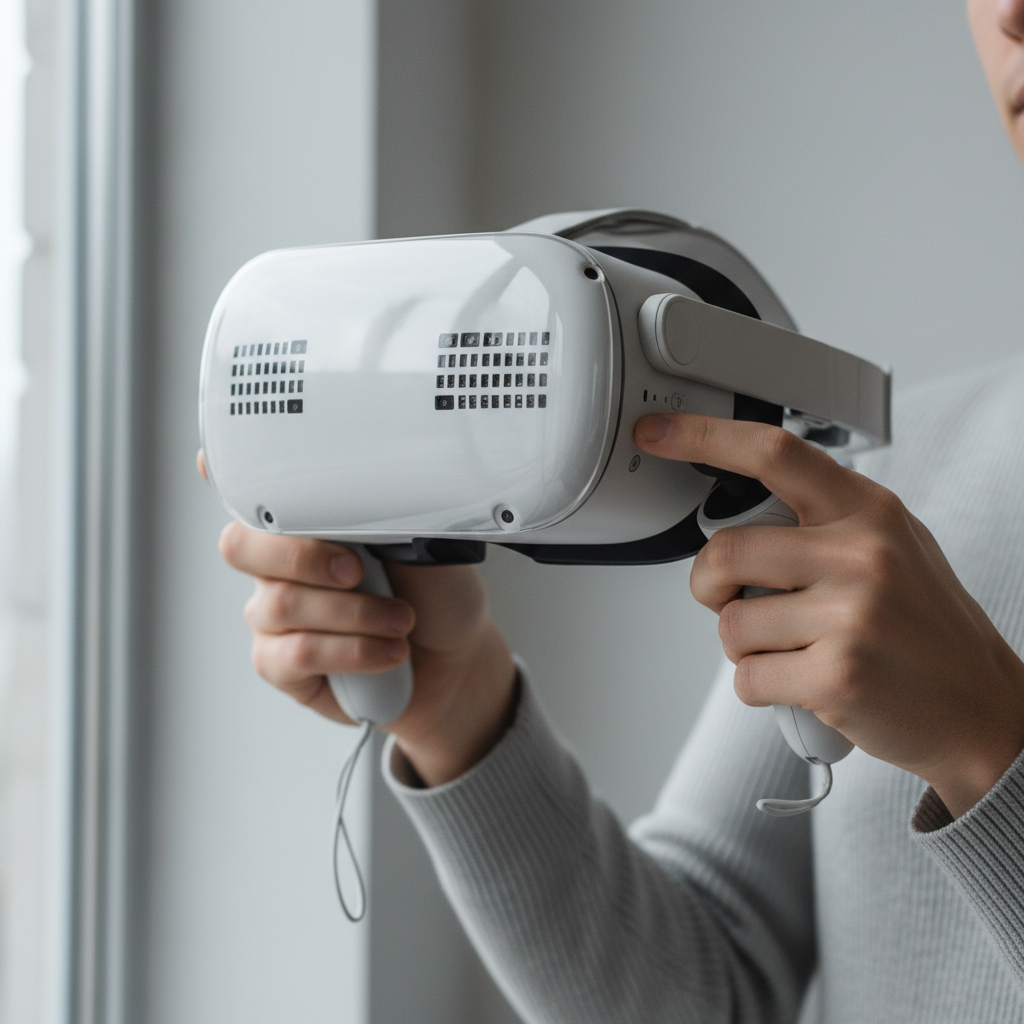
- Virtual reality-based rehabilitation is being developed for vestibular and cognitive retraining.
- Digital health tools and mobile applications are supporting self-management and extending rehabilitation beyond the clinic.
- Blood biomarkers continue to be investigated, though current consensus holds that they have limited clinical utility for diagnosing concussion or tracking recovery.
The Bottom Line
The overarching theme since 2020 is clear: concussion rehabilitation has shifted from passive waiting to active, individualized treatment. The evidence now supports early movement, prescribed aerobic exercise, and targeted multimodal rehabilitation for persistent symptoms. New assessment tools and refined return-to-activity protocols are making this approach more standardized and accessible. While many questions remain, particularly around optimal treatments for adults and the clinical utility of emerging technologies, the trajectory of the field is unmistakably toward more precise, proactive, and effective care.
References:
1.Sport-Related Concussion. The New England Journal of Medicine. 2025. Leddy JJ.Review
2.Do Physical Interventions Improve Outcomes Following Concussion: A Systematic Review and Meta-Analysis?.British Journal of Sports Medicine. 2022. Reid SA, Farbenblum J, McLeod S.SR
3.Targeted Interventions and Their Effect on Recovery in Children, Adolescents and Adults Who Have Sustained a Sport-Related Concussion: A Systematic Review.British Journal of Sports Medicine. 2023. Schneider KJ, Critchley ML, Anderson V, et al.SR
4.Rest and Exercise Early After Sport-Related Concussion: A Systematic Review and Meta-Analysis.British Journal of Sports Medicine. 2023. Leddy JJ, Burma JS, Toomey CM, et al.SR
5.Management and Rehabilitation of Post-Acute Mild Traumatic Brain Injury (mTBI) (2021). Department of Veterans Affairs. 2021. Maj Thomas J. Bayuk DO, Amy O. Bowles MD, Lt Col Andrew W. Bursaw DO, et alGuideline
6.Action Collaborative on Traumatic Brain Injury Care: Adapted Clinical Practice Guideline.Annals of Family Medicine. 2025. Silverberg ND, Lee K, Mikolić A, et al.RecentGuideline
7.Nonpharmacological Treatment of Persistent Postconcussion Symptoms in Adults: A Systematic Review and Meta-analysis and Guideline Recommendation. JAMA Network Open. 2021. Rytter HM, Graff HJ, Henriksen HK, et al.SR
8.Concussion in Sport: Recommendations From the 6th International Conference on Concussion in Sport. American Family Physician. 2024. Lau K.Institutional
9.Beyond the Impact: Emerging Therapies Shaping the Future of Post-Concussion Recovery.The International Journal of Neuroscience. 2026. Raza ML, Hassan ST, Fatima W, Hyder N, Turabee Z.RecentReview
10.Consensus Statement: An Evidence-Based Review of Exercise, Rehabilitation, Rest, and Return to Activity Protocols for the Treatment of Concussion and Mild Traumatic Brain Injury.PM & R : The Journal of Injury, Function, and Rehabilitation. 2023. De Luigi AJ, Bell KR, Bramhall JP, et al.SR
11.Mild Traumatic Brain Injury in 2019-2020. The Journal of the American Medical Association. 2020. Silverberg ND, Duhaime AC, Iaccarino MA.
12.Association of Pharmacological Interventions With Symptom Burden Reduction in Patients With Mild Traumatic Brain Injury: A Systematic Review. JAMA Neurology. 2021. Feinberg C, Carr C, Zemek R, et al.SR